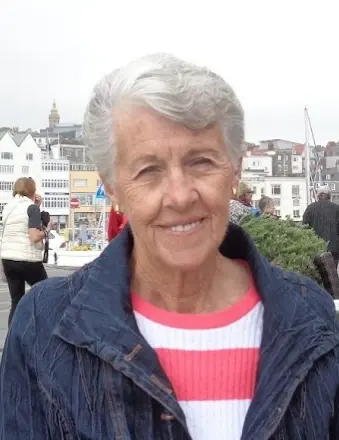
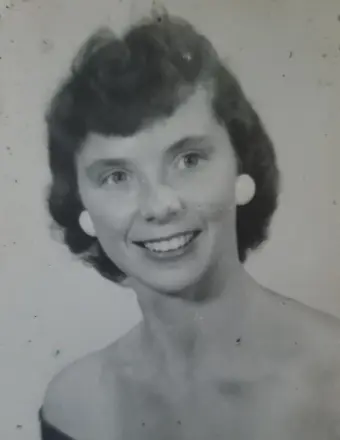
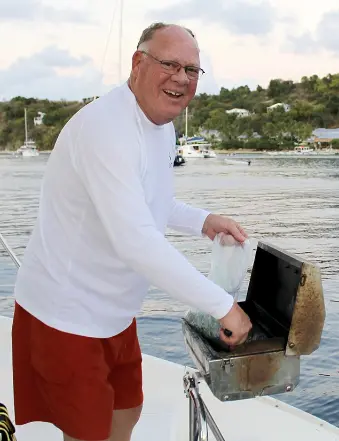




Frank Krueger
July 16th, 2010
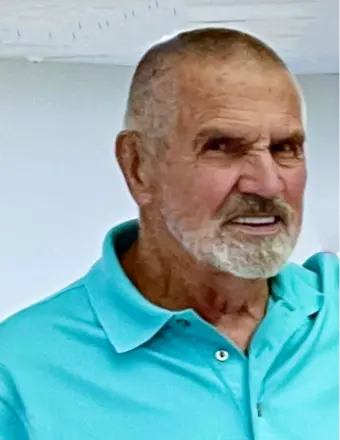
Raymond Forslund
June 14th, 2010
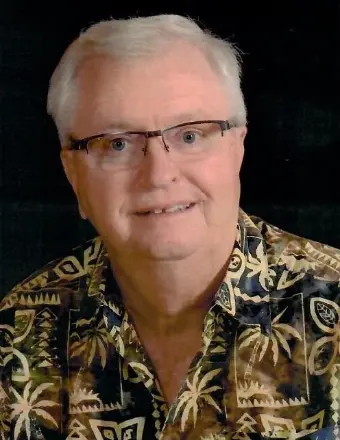
Maria Bittner
July 10th, 2010
James Trebby, Jr
February 9th, 2010
May Pequita
June 21st, 2010
Lawrence Roppel
July 1st, 2010
Janet Miller
June 24th, 2010
Richard Taylor
June 21st, 2010
To express condolences.
please click on name and
sign guestbook.

Cremation Frequently Asked Questions

What is cremation?
Cremation is the process of reducing the human body to bone particles and ash through the application of direct flame and intense heat. 

What are the legal requirements for cremation in Florida?
There are three basic legal requirements which must be met before a cremation can be performed in Florida. First, at least 48 hours must elapse between the time of death and the time of the cremation. Second, a legally authorized individual must give permission for the cremation in writing. Third, the District Medical Examiner must give approval for the cremation which requires a completed death certificate for their review. 

How long does the cremation process take?
It depends on the size of the individual and the type of cremation container or casket. Typically, the process takes 2 to 3 hours at a normal operating temperature of 1600 to 1800 degrees Fahrenheit. 

What happens following the cremation process?
Following the actual cremation, all bone particles and other materials are retrieved from the cremation chamber by sweeping them into a stainless steel collection pan for cooling. Once cooled, all metal materials (metal casket parts, hip joints, & bridgework) are removed by both visual inspection and use of a strong magnet. The remaining bone particles and ash are then reduced into a small, consistent size and placed in the selected urn. 

Can I have a service with cremation?
For those desiring cremation, you actually have more options and flexibility when it comes to service offerings. Everything is available from a traditional funeral ceremony followed by cremation and then burial, private family viewing to have closure, to a memorial service after the cremation has occurred. Furthermore, since we are not restricted by the operating hours of the cemetery, you have the flexibility to schedule your ceremonies for day or night. 

Is embalming required?
No. Florida law does require that the body be embalmed or held in refrigeration following 24 hours after death. We provide on-site refrigeration in which the deceased may be held for the necessary waiting period. Embalming, however, is necessary when a cremation ceremony involves a public viewing. Families may choose to have a private family viewing within the first 48-hours after death with or without embalming. At Larry Taylor Funeral and Cremation Services we don't charge any difference between embalming and refrigeration so families can decide what they need without cost being a factor. 

Is a casket necessary for cremation?
Florida law does require that the body be held in a rigid, leak-proof container for dignified storage, transfer and handling. Today, we have a variety of cremation containers and caskets that are very economical and manufactured specifically for cremation. 

What can be done with the cremated remains?
Your options are many. The cremated remains can be buried in a cemetery, placed in a columbarium niche, kept at home, scattered on private property or at least 3 miles offshore in the Gulf of Mexico, placed in a necklace or have a diamond created. Our staff can assist you in exploring those options. 

What do cremated remains look like?
Cremated remains resemble coarse beach sand. They are typically light gray in color. The cremated remains of an average size adult would weigh between 5-8 pounds and usually take up 200 cubic inches of volume or less. Except for some minuscule amount of cremated remains which cannot practically be removed from the cremation chamber, all remains are placed in the selected urn. If the amount of cremated remains cannot fit in the selected urn, then any excess remains would be returned in a temporary urn supplied by our crematory. 

Why do people select cremation?
The reasons for choosing cremation are as varied and unique as the individuals selecting it. Some choose cremation because of their feelings on environmental issues and land usage; others select it to save money or because of their religious beliefs. Cremation for some provides the option of scattering the remains or keeping the remains at home. The reasons for considering cremation are a highly personal reflection of an individual's beliefs and preferences. 

If I wish to be cremated, what options do I have?
There are several choices available, and the following pages offer some options for you to consider. These options should be used as a guide to help you create a personal ceremony that best suits your individual and family needs. The decisions you make truly do depend on the manner in which you choose to recognize the life that has been lived. Cremation may actually present you with additional options in funeral planning. You can decide whether to have a public or private viewing or no viewing at all. You can choose to have the casketed remains present for the ceremony or to have a memorial ceremony without the casket present. Some individuals may choose to have a viewing followed by a ceremony at a later date and others may wish to have a ceremony in conjunction with the scattering of the cremated remains. The combination of options are limited only to your wishes and the personal needs of your family members. 

How can I create a special memorial service?
Families often tell us, "We want to remember him the way he was." In this comment is the beginning of a personalized cremation ceremony. By remembering the qualities that made your loved one who they were, their unique characteristics and personality, you commemorate their life. By sharing these memories during a service, you personalize the ceremony. You may choose to do this through a eulogy or music, or by creating a memory setting complete with a collage of photos and special mementos. Creating a setting that represents an individual's family, work, hobbies, civic involvement or special interests can be very therapeutic during a difficult time. Don't discount anything as being too much of a bother. Allow your imagination to guide you. Your family, friends, clergy and our cremation directors can help. 

Do all religions permit cremation?
Religious positions vary widely regarding cremation. Some require it, others disallow or advise against it, and others take no position at all. Most, however, will allow you to decide. If you are uncertain as to the position your religion embraces, speak directly with your clergy. 

Is a Funeral Director Necessary?
No. However Florida law does require a Funeral Director if you are going to have any type of ceremony or view the body. Cremation societies are not allowed to assist families with ceremonies or viewing the deceased. Funeral directors are caregivers and administrators. They make the arrangements for transportation of the deceased human remains, complete all necessary paperwork, and implement the choices made by the family regarding the funeral and final disposition of the deceased human remains. Funeral directors also link survivors with support groups at the funeral home or in the community.


Our People & Locations  |  Resources  |  What We Offer  |  Merchandise  |  Planning Ahead  |  Obituaries & Guestbooks

1515 Tamiami Trail | Punta Gorda, Florida 33950 | 941-833-0600 |

© Copyright 2009, Larry Taylor Funeral and Cremation Services and FuneralNet®
Infinite Menus, Copyright 2006, OpenCube Inc. All Rights Reserved.